Claude finishes a ticket and says the tests pass. During review, you find that the new test covers the happy path and misses the bug in the ticket. The summary reads well and the tests are green, but the work still needs fixing. How do you tell if your new workflow improves things over the next ten tickets?
An eval replays a task with known inputs and grades the result against criteria set in advance. For backend work, I care about how the code behaves after the agent has worked on it. The summary can explain a decision. The resulting repository is what I test.
Turn a Kotlin ticket into an eval case#
Take an order discount. The ticket says an order of €100 qualifies for the discount. An order of €99.99 stays at the normal price. The bug is in the comparison operator. It's a small change, which makes it easy to see whether the agent also decides to rewrite how money is handled.
| Element | What I keep in the case |
|---|---|
| Starting point | A commit that still has the bug, with pinned dependencies |
| Input | The ticket a developer would receive |
| Oracle | Tests kept outside the directory the agent can edit |
| Checks | €99.99, €100, €100.01, then the existing regression suite |
I first run the eval tests against the starting commit and then against a reference fix. I want the threshold test to fail before the fix and pass afterward. It's the same habit as doing TDD with Claude Code, applied to the evaluation itself.
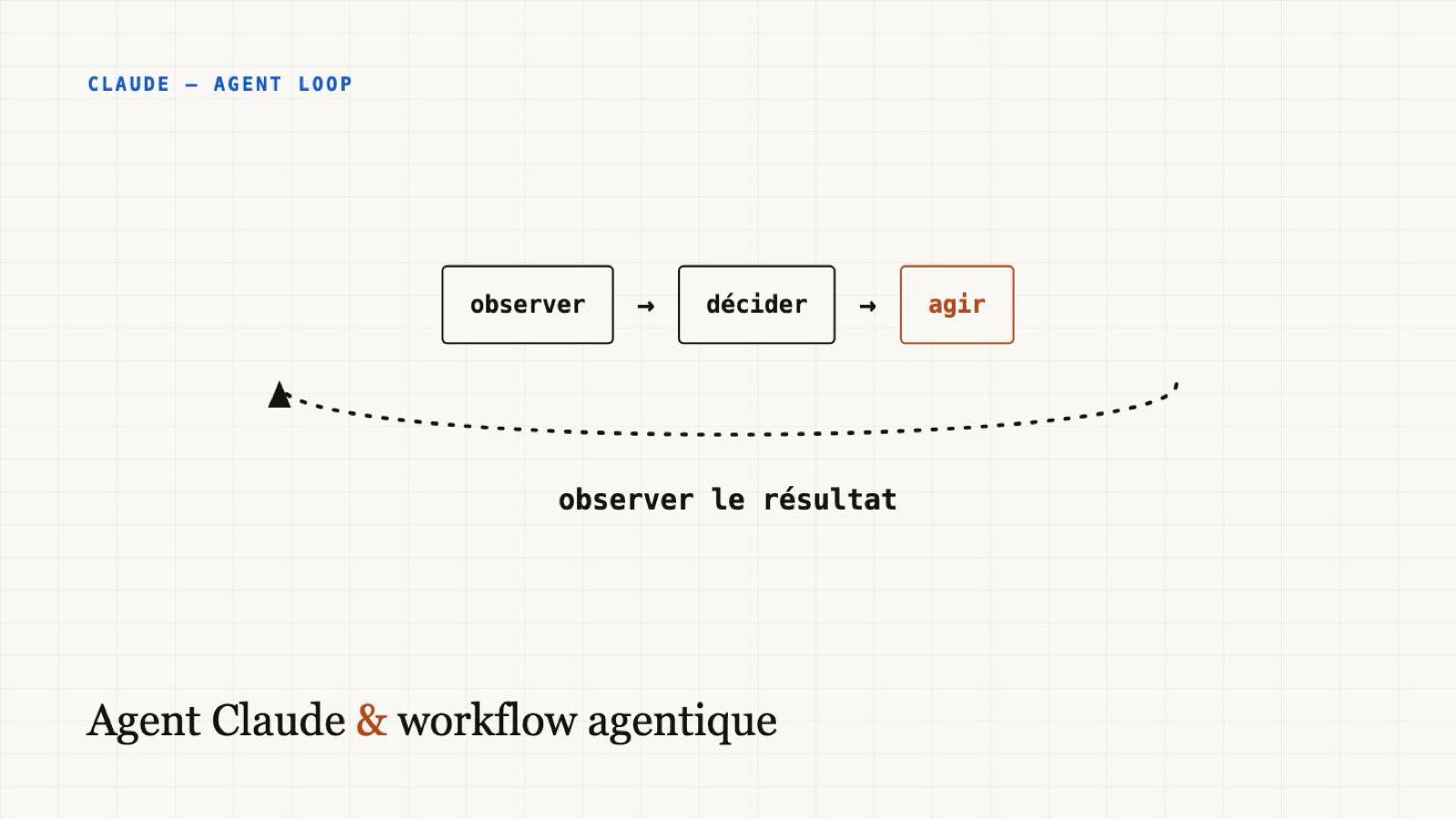
Ticket + starting commit
           |
   Fresh Claude session
           |
      Resulting diff
           |
   Tests outside the worktree
       /              \
  Case fails        Case passes
       \              /
     Trace and human review
Compare two workflows under the same conditions#
I take the same set of tickets and compare two procedures. In A, Claude receives the ticket and the usual repository instructions. In B, I add a step where it must identify which tests should fail before editing the code. I hold the model, tools, and execution budget fixed. Each trial starts from the same commit in a fresh session. If time runs out before the agent finishes, I count the trial as a failure and record why.
I start with five anonymized tickets drawn from routine problems. I might run three trials per ticket for each procedure. I keep the results broken down by ticket. Twelve successes out of fifteen can hide three failures on the same case, which tells me more about what to change next than the percentage alone.
| Measure | How I record it |
|---|---|
| Functional success | The eval and regression tests pass |
| Review time | Minutes spent reading the diff and evidence, using the same rubric |
| Rework | Human corrections needed before integration |
| Cycle time | From opening the session to the end of verification |
With fifteen trials, one extra success can be down to chance. If B handles edge cases better but takes longer, I look at which tickets justify that extra time by avoiding rework. The team can make that call with concrete examples in front of it.
Keep cases nobody has optimized for#
After a few iterations, the original tickets become familiar. I keep some cases aside to compare two versions of the workflow. If I change the procedure after reading their failures, those tickets join the working suite and I reserve fresh cases for the next comparison.
Your first eval suite can fit in a fixtures directory and a table. What matters is being able to revisit a failure, find the diff, and explain what should have happened. For overlapping runs, separate Git worktrees make that comparison easier. For more on grading and repeated trials, see Anthropic's guide to agent evals.